
 By
By 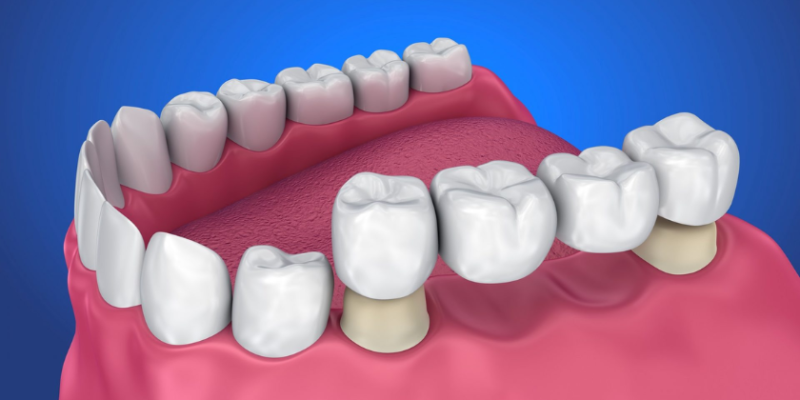
Dental health can feel overwhelming. Missing teeth can disrupt daily life. Fortunately, dental bridges provide a reliable solution. They help restore smiles and improve oral health. This blog guides you through understanding what dental bridges are and when you might need one. You will learn about their benefits and how they work. The Dentists of Hinsdale Lake in Willowbrook offer this service with expertise and care. They ensure you receive the best possible treatment. Knowing when to consider a dental bridge is crucial. It can prevent issues like difficulty chewing or speaking. This guide will help you recognize the signs that indicate you need one. It will also prepare you for the process ahead. Restoring your smile doesn’t have to be daunting. Let this information empower you to make informed decisions about your dental health and enhance your quality of life.
What Are Dental Bridges?
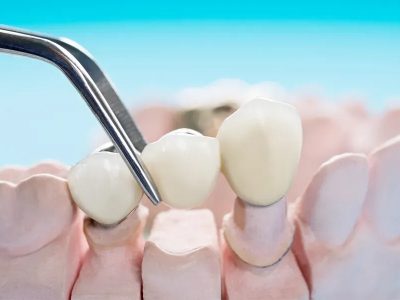
Dental bridges replace one or more missing teeth. They consist of one or more artificial teeth anchored to neighboring natural teeth or implants. A typical dental bridge has three main parts.
- Artificial teeth: These replace the missing teeth.
- Anchors: These hold the artificial teeth in place. They attach to adjacent teeth or implants.
- Structure: This forms the bridge and ensures stability.
Dental bridges come in different types to suit various needs. These include traditional bridges, cantilever bridges, and Maryland bridges.
Types of Dental Bridges
Understanding the different types of dental bridges will help you make informed choices.
| Type | Description | Best For |
| Traditional Bridges | These use crowns on either side of the gap. | When there are natural teeth on both sides. |
| Cantilever Bridges | They anchor on one side only. | When there’s only one adjacent tooth. |
| Maryland Bridges | They use a metal or porcelain framework. | When minimal alterations to natural teeth are preferred. |
When Do You Need a Dental Bridge?
Several signs indicate the need for a dental bridge. These include:
- Gaps visible when you smile.
- Difficulty chewing or speaking clearly.
- Shifting teeth causing bite issues.
Ignoring these signs can lead to more severe dental problems. Early intervention can prevent complications. Exploring treatment options with your dentist will help address these concerns effectively.
The Benefits of Dental Bridges
Dental bridges offer several benefits:
- Restore your natural smile.
- Improve chewing and speaking ability.
- Maintain the shape of your face.
- Prevent remaining teeth from drifting.
These benefits help you maintain a healthy smile and boost confidence. Seeking timely care ensures optimal oral health.
The Dental Bridge Process
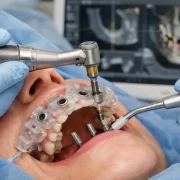
The dental bridge process typically involves several steps:
- Consultation: Discuss your needs with your dentist.
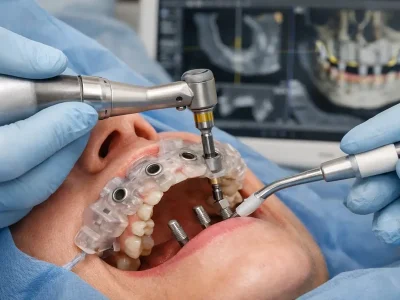
- Preparation: Your dentist prepares the adjacent teeth.
- Impressions: They take impressions for a custom fit.
- Fitting: The dentist places the bridge and ensures proper alignment.
This process requires patience and cooperation. A well-placed bridge offers long-term benefits and comfort.
Finding the Right Dentist
Choosing the right dentist matters. The National Institute of Dental and Craniofacial Research provides guidance on dental care. Experienced professionals ensure you receive quality treatment. Look for dentists who prioritize your comfort and well-being.
Conclusion
Dental bridges offer a practical solution for missing teeth. Understanding their types, benefits, and the process involved helps you make informed decisions. The Dentists of Hinsdale Lake in Willowbrook provide expert care to restore your smile. Don’t let missing teeth affect your quality of life. Consider dental bridges and consult with trusted professionals for guidance. Your oral health is worth the effort and investment.







Comments