
 By
By 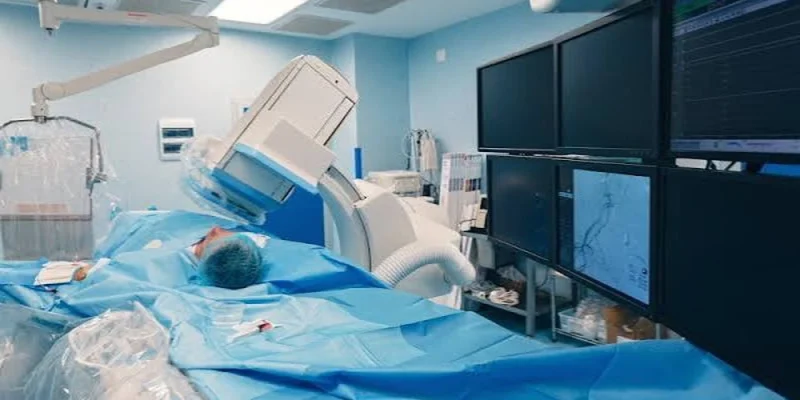
Patients researching treatment for a narrowed aortic valve often encounter two terms: TAVI and TAVR. One hospital may use TAVI, another may say TAVR, and online articles can make them sound like separate procedures. In practice, they describe the same type of catheter-based aortic valve replacement.
TAVI stands for Transcatheter Aortic Valve Implantation, while TAVR stands for Transcatheter Aortic Valve Replacement. Both refer to placing a new valve inside a diseased aortic valve without the conventional open-chest approach used in surgical valve replacement.
For patients considering TAVI in Mumbai, the more important questions are not which acronym is used, but whether valve replacement is needed, whether a transcatheter approach is suitable and how experienced the treating Heart Team is with structural heart procedures.
Why Is TAVI or TAVR Performed?
The main condition treated with TAVI is severe aortic stenosis. In aortic stenosis, the valve between the left ventricle and the aorta becomes stiff and narrow. The heart must generate greater pressure to push blood through the smaller opening.
As the disease progresses, patients may develop breathlessness, chest discomfort, dizziness, fainting, fatigue or reduced ability to exercise. Severe disease can eventually lead to heart failure and other serious complications.
Medicines may help manage associated symptoms or conditions, but they do not remove the mechanical obstruction created by a severely narrowed valve. When intervention is indicated, the valve must usually be replaced.
How Does the TAVI Procedure Work?
During the TAVI procedure, a replacement biological valve is mounted on a collapsible frame and delivered through a catheter. In most cases, the catheter enters through the femoral artery in the groin and is advanced toward the heart under imaging guidance.
The new valve is positioned inside the diseased native aortic valve and expanded. The old valve leaflets are pushed aside, and the replacement valve begins opening and closing with each heartbeat.
The procedure avoids a standard sternotomy and can therefore reduce the physical impact of treatment for appropriately selected patients.
Who May Be Suitable for TAVI or TAVR?
TAVI was initially reserved mainly for patients considered too high risk for surgery. Evidence and guidelines have expanded its role considerably. Today, treatment selection considers age, life expectancy, anatomy, patient preference, surgical risk and the likely need for future cardiac procedures.
Older adults with severe symptomatic aortic stenosis and suitable anatomy are frequently evaluated for TAVI. It may also be attractive for patients who have undergone previous heart surgery or have medical conditions that increase the burden of another large operation.
Younger patients require careful lifetime planning because valve durability and future coronary or valve procedures may influence which treatment is most appropriate.
What Evaluation Is Required?
A TAVI programme should include detailed assessment before a procedure is scheduled. Echocardiography confirms valve severity and evaluates heart function. CT imaging measures the valve and aortic root, identifies calcium distribution and assesses the arteries used for catheter access.
Blood tests, ECG and coronary assessment are also commonly required.
The purpose is not merely to prove that TAVI can technically be done. It is to determine whether it is the best treatment compared with surgery and to plan the procedure accurately.
What Are the Benefits?
For suitable patients, TAVI offers an effective way to replace the aortic valve without opening the chest in the conventional manner. This can mean less surgical trauma, earlier mobilisation and a shorter recovery period than open-heart surgery.
Many patients are able to sit up and begin walking relatively soon after an uncomplicated procedure. Hospital stay can also be shorter, although discharge depends on heart rhythm, bleeding, kidney function, neurological status and overall stability.
What Are the Risks?
Like any major cardiac procedure, TAVI has risks. Potential complications include bleeding or injury to the access artery, stroke, kidney injury, leakage around the implanted valve, infection and heart rhythm or conduction problems that may require a pacemaker.
Coronary obstruction and significant valve-positioning problems are uncommon but important complications that require experienced planning and rapid management.
Patients who want a broader explanation can review the main TAVI/TAVR risks, benefits and recovery issue s before discussing their own risk profile with the treating cardiologist.
How Is TAVI Different From Open Surgery?
Surgical aortic valve replacement gives the surgeon direct access to remove the diseased valve and implant a prosthetic valve. It remains an important treatment, especially for some younger patients, people with particular anatomy and those who need bypass surgery or another cardiac operation at the same time.
TAVI uses a catheter route and usually leaves the native valve in place. Neither approach is automatically better for every patient. The choice depends on anatomy, health, age, expected longevity and the patient’s overall lifetime valve strategy.
What Happens After TAVI?
After implantation, patients are monitored for rhythm changes, vascular complications, kidney function and neurological symptoms. Echocardiography is used to confirm valve performance.
At home, gradual walking and activity are encouraged according to medical advice. Patients should follow instructions regarding medication, wound care and follow-up. Long-term cardiology review remains important even when symptoms improve quickly.
Choosing a TAVI Programme in Mumbai
Patients should look for a centre that combines structural heart expertise with advanced imaging and multidisciplinary decision-making. Experience in TAVI, access to cardiac surgery, anaesthesia and critical-care support, and organised follow-up are all relevant.
The quality of evaluation matters as much as technical procedural skill. A strong programme should be willing to recommend surgery when surgery is the more appropriate option.
The Bottom Line
TAVI and TAVR are two names for the same catheter-based approach to aortic valve replacement. For patients with severe aortic stenosis, the key issue is whether the procedure fits their anatomy, health and long-term treatment plan.
A careful Heart Team assessment helps answer that question. When the right patient is matched with the right procedure and detailed planning, TAVI can provide an important less-invasive route to restoring blood flow across a severely narrowed aortic valve.







Comments