
 By
By 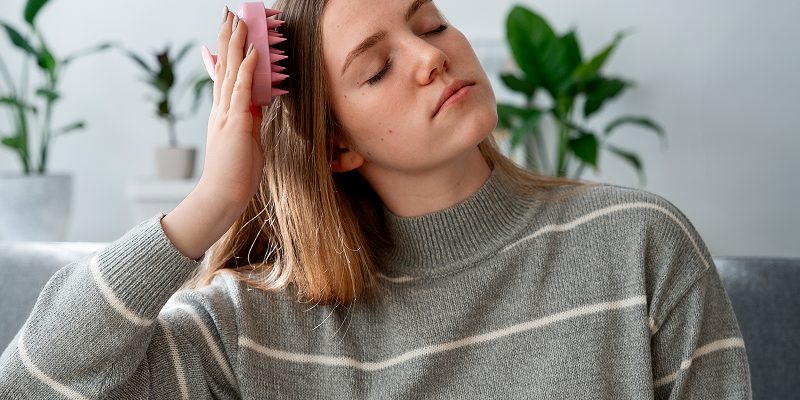
It might start with the occasional scratch during a long day or a mild tingling that fades. An itchy scalp seems harmless at first, often dismissed as a minor nuisance. But when left unchecked, this seemingly trivial irritation could be hinting at deeper issues, some of which may directly affect your hair’s strength, health, and future growth.
Here’s why it’s time to stop ignoring your itchy scalp and what could be happening beneath the surface.
Scratching Can Cause Lasting Damage
A persistent itchy scalp might tempt you to scratch harder or more often. This may bring momentary relief, but repeated scratching can break the skin’s barrier, damage hair follicles, and increase the risk of infection.
When the scalp is inflamed, it’s less able to support healthy hair growth. In some cases, this irritation can contribute to thinning or patchy areas, especially around the crown or hairline. Identifying the root of the itch, whether it’s a reaction to hair products or buildup, can help prevent unintentional harm.
You Might Be Masking an Underlying Condition
Dandruff is often the first suspect when your scalp starts acting up. But that’s not always the case. An itchy scalp can also signal seborrheic dermatitis, psoriasis, fungal infections or even allergic reactions.
Left untreated, these conditions can become chronic, making symptoms harder to manage. What’s more, some of them are directly linked to hair loss. It’s not unusual for people to notice increased shedding, and in some instances, scarring. If you’re experiencing hair loss and an itchy scalp together, it’s time to pay closer attention.
Harsh Products Might Be Making It Worse
Sometimes, the problem isn’t your scalp, it’s what you’re putting on it. Many shampoos, conditioners, and styling products contain ingredients that strip the skin of its natural oils. This can leave your scalp dry, irritated, or overly sensitive.
Strong fragrances, sulphates, and alcohols may offer a quick-clean feeling, but over time, they contribute to imbalance. Switching to gentler, scalp-friendly formulas can ease irritation and support the scalp’s protective barrier. It’s a subtle shift that can have a noticeable impact.
ALSO READ: Embracing Natural Hair Health: A Complete Guide to Nurturing Your Hair From Root to Tip
Poor Scalp Hygiene Can Clog Follicles
Ironically, avoiding washing your hair too often in an attempt to “protect” it may have the opposite effect. Product build-up, sweat, oil, and environmental residue can clog the scalp’s pores. This creates the perfect environment for inflammation and flaking to thrive.
A clean scalp is a healthy one. Establishing a routine that suits your hair type, without over-washing or neglect, keeps follicles clear and allows for better nutrient delivery. If you’re noticing hair loss with itchy scalp symptoms, a gentle detox approach may be long overdue.
Stress and Diet Play a Bigger Role Than You Think
Scalp sensitivity doesn’t always come from the outside. Emotional stress and poor nutrition can trigger or worsen scalp itchiness. When your body’s under pressure or lacking certain nutrients, inflammation can rise, and your skin, including your scalp, reflects that.
Introducing anti-inflammatory foods, staying hydrated, and managing stress can make a difference. A healthy scalp environment relies on internal balance just as much as external care.
Delaying Treatment Can Lead to Permanent Hair Loss
One of the lesser-discussed links is between prolonged inflammation and long-term follicle damage. If the skin around your follicles is consistently irritated, it may start to shrink or scar. This affects hair growth and, in some cases, may lead to irreversible thinning.
This is especially important for those experiencing hair loss with itchy scalp symptoms. Treating the issue early, rather than covering it up with quick fixes or harsher treatments, gives your scalp the space it needs to recover.
A Healthier Scalp Means Better Hair Growth
It sounds obvious, but it’s easy to forget: your scalp is skin. And just like the skin on your face or body, it needs regular care, rest, and balance. A well-maintained scalp improves circulation, regulates oil production, and encourages growth, all without the irritating itch.
Sometimes, the best thing you can do for your hair is to stop focusing on the strands and start with the roots, literally. An itchy scalp isn’t just a minor irritation. It can be a sign that your hair and scalp need urgent attention. Ignoring it may lead to more serious concerns like hair loss, increased sensitivity, or even permanent damage. Understanding the triggers and making practical changes (from switching your products to improving hygiene) can restore your scalp’s health.
Contact Bee Choo Origin to treat your itchy scalp and start your hair loss recovery with trusted herbal care.






Comments