
 By
By 
Types of Brain Injury in Newborns
Neonatal injury, particularly when it affects the brain, can manifest in several ways. These injuries aren’t a single event but a category of problems that can happen around the time of birth. Understanding these types is the first step in grasping their potential consequences.
- Hypoxic-Ischemic Encephalopathy (HIE): This is perhaps the most discussed type. It happens when the baby’s brain doesn’t get enough oxygen and blood flow for a period. This lack of supply can cause brain cells to die.
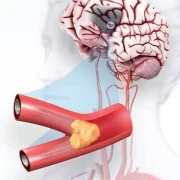
- Stroke: Just like in adults, newborns can have strokes. These can be ischemic (a blockage) or hemorrhagic (bleeding in the brain). Strokes can affect specific areas of the brain, leading to localized damage.
- Traumatic Brain Injury: While less common with modern obstetric practices, physical trauma during birth can sometimes lead to brain injury. This might involve forces applied to the baby’s head.
- Infections: Certain infections can cross the placental barrier or be acquired during birth, leading to inflammation and damage to the developing brain.
Causes of Perinatal Brain Damage
Perinatal brain damage refers to harm that occurs from the later stages of pregnancy through the first month of life. The causes are varied and often complex, sometimes involving a combination of factors. Identifying these causes is key to prevention efforts.
- Lack of Oxygen (Hypoxia): This is a major concern. It can stem from issues with the placenta (not working well), problems with the umbilical cord (like compression), or difficulties during labor and delivery where the baby struggles to breathe.
- Reduced Blood Flow (Ischemia): This often goes hand-in-hand with hypoxia. If blood flow to the brain is significantly reduced, brain cells don’t get the oxygen and nutrients they need.
- Prematurity: Babies born too early are more vulnerable. Their brains are still developing rapidly, making them susceptible to injury from events that a full-term baby might withstand better. This vulnerability is a significant factor in many birth injury cases.
- Maternal Health Conditions: Issues like severe preeclampsia, diabetes, or infections in the mother can sometimes impact the baby’s brain development or increase the risk of complications during birth.
- Difficult Labor and Delivery: Prolonged labor, difficult instrument use (like forceps or vacuum extractors), or a baby getting stuck can put stress on the infant.
Impact of Neonatal Injury on Development
The effects of neonatal brain injury are not always immediately apparent and can vary widely depending on the type, severity, and location of the damage. The developing brain has some capacity to adapt, but significant injury can alter developmental pathways. The impact can be seen across several areas:
- Motor Skills: This is where the link to cerebral palsy becomes most evident. Damage to areas of the brain that control movement can lead to difficulties with coordination, muscle tone, and voluntary movement.
- Cognitive Function: Learning, memory, problem-solving, and attention can all be affected. The extent of the impact depends on which parts of the brain are injured.
- Sensory Processing: Vision, hearing, and touch can be impacted. Some children may have difficulty interpreting sensory information.
- Speech and Language: The ability to communicate, both understanding and expressing, can be challenging.
- Behavioral and Emotional Regulation: Some individuals may experience difficulties with managing emotions or social interactions.
The Spectrum of Cerebral Palsy
Cerebral palsy (CP) isn’t just one thing; it’s a whole group of conditions that affect how a person moves and holds their body. It all comes down to damage that happens to a developing brain, usually before, during, or shortly after birth. This damage doesn’t get worse over time, but the effects on movement and posture can change as a child grows. Understanding the wide range of how CP can show up is key to providing the right support.
Understanding Cerebral Palsy
At its core, cerebral palsy is a disorder of movement and posture. It’s not a disease that progresses, but rather a condition resulting from an injury or abnormality in the brain. This injury can happen at various stages of brain development. The effects are permanent, but therapies can help manage symptoms and improve quality of life. It’s important to remember that CP affects individuals differently, with varying degrees of severity and specific challenges. You can find more information about what cerebral palsy is.
Classifications of Cerebral Palsy
Doctors often classify CP based on the type of movement problem someone experiences. These categories help in understanding the specific challenges and planning care:
- Spastic Cerebral Palsy: This is the most common type. Muscles become stiff and tight, making movement difficult. It can affect one side of the body (hemiplegia), both legs (diplegia), or the entire body (quadriplegia).
- Athetoid Cerebral Palsy (Dyskinetic): This type involves slow, involuntary, writhing movements. These movements can be hard to control and may increase with stress or excitement.
- Ataxic Cerebral Palsy: This is the least common type. It affects balance and coordination, making tasks like walking or reaching for objects challenging.
- Mixed Cerebral Palsy: Many individuals have a combination of these types, experiencing symptoms from more than one category.
Motor Impairments Associated with Cerebral Palsy
The motor impairments seen in cerebral palsy can be quite varied. They aren’t limited to just difficulty walking. Some common issues include:
- Muscle Tone Abnormalities: This can mean muscles are too stiff (spasticity) or too floppy (hypotonia).
- Balance and Coordination Problems: Difficulty maintaining balance or performing smooth, controlled movements.
- Abnormal Reflexes: Overactive reflexes or primitive reflexes that don’t disappear as they should.
- Difficulty with Fine Motor Skills: Challenges with tasks requiring precise hand movements, like writing or buttoning clothes.
- Gait Abnormalities: Unusual walking patterns, such as scissoring the legs or walking on tiptoes.
Linking Neonatal Injury to Cerebral Palsy
How Neonatal Injury Causes Cerebral Palsy
It’s pretty straightforward, really. When a newborn’s brain doesn’t get enough oxygen or blood flow, or if it’s damaged by other issues, parts of the brain can be injured. This injury isn’t like a broken bone that heals perfectly; brain cells, once damaged, often don’t recover. The specific areas of the brain affected by this injury dictate the type of problems the child might face later on. The location and severity of the brain damage are key to understanding the resulting developmental challenges.
Specific Neonatal Injuries Leading to Cerebral Palsy
Several types of problems during the perinatal period can lead to brain injury and, consequently, cerebral palsy. These include:
- Hypoxia-ischemia: This is a big one. It happens when the brain is deprived of oxygen and blood flow. This can occur due to complications during pregnancy, labor, or delivery.
- Stroke: A stroke in a newborn, either before or after birth, can damage brain tissue. This can be due to blood clots or bleeding in the brain.
- Infections: Certain infections, like meningitis or encephalitis, can inflame and damage the brain.
- Trauma: While less common, physical trauma to the baby’s head around the time of birth can cause injury.
The Role of Hypoxia-Ischemia in Cerebral Palsy Development
Hypoxia-ischemia is probably the most talked-about cause when linking neonatal injury to cerebral palsy. Basically, if a baby doesn’t get enough oxygen for a period, brain cells start to die. This can happen for many reasons, like problems with the placenta, cord entanglement, or breathing difficulties at birth. The brain is super sensitive to lack of oxygen, and even short periods can have lasting effects. The areas most vulnerable are often those controlling movement, which is why this type of injury is so closely tied to cerebral palsy.
Risk Factors and Vulnerable Infants
Prematurity as a Significant Risk Factor
Babies born too early, or prematurely, face a higher chance of experiencing brain injuries. Their brains are still developing rapidly when they are born, making them more fragile and susceptible to damage. This vulnerability means that even minor stresses during the neonatal period can have a bigger impact. The earlier a baby is born, the more at risk they tend to be. This is why Neonatal Intensive Care Units (NICUs) pay close attention to these infants, often consulting neurology on babies with specific risk factors, including younger gestational age premature infants.
Genetic Predispositions and Neonatal Injury
While many neonatal injuries are linked to events during pregnancy or birth, genetics can also play a part. Some infants may have inherited traits that make their brains more prone to injury or less able to recover from damage. These genetic factors can interact with environmental influences, creating a complex picture of risk. Research is ongoing to better understand these genetic links, which could one day lead to more targeted preventative strategies.
Infections and Their Contribution to Neonatal Brain Damage
Infections are another serious concern for newborns. Certain infections, whether they occur before birth, during labor, or shortly after, can directly harm the developing brain. These can include infections of the placenta, the amniotic fluid, or the baby’s own bloodstream. The body’s response to infection, including inflammation, can also contribute to brain damage. Protecting infants from infections through careful hygiene and prompt treatment is therefore a key part of preventing brain injury.
Diagnosing and Managing Cerebral Palsy
Early Detection of Cerebral Palsy Signs
Spotting cerebral palsy (CP) early on is a big deal for a child’s future. It’s not always obvious right away, as babies develop at different rates. However, parents and caregivers might notice certain things that could point towards CP. These can include delays in reaching typical baby milestones, like rolling over, sitting up, or crawling. Sometimes, babies might have unusual muscle tone, either being too stiff (spasticity) or too floppy (hypotonia). They might also favor one side of their body, or have jerky, involuntary movements. The earlier these signs are recognized, the sooner a child can get the support they need.
Diagnostic Tools for Cerebral Palsy
When there’s a suspicion of CP, doctors use a few methods to figure things out. There isn’t one single test that says “yes, it’s CP.” Instead, it’s a process. Doctors will look at the baby’s medical history, especially if there were any complications during pregnancy or birth. They’ll perform a physical exam, checking reflexes, muscle tone, and coordination. Imaging tests are often used. An MRI of the brain can show any damage or abnormalities that might have occurred. Sometimes, an ultrasound is used for very young infants. Doctors also watch how the child moves and develops over time. This ongoing observation is key to making a solid diagnosis.
Therapeutic Interventions for Cerebral Palsy
Once diagnosed, the focus shifts to managing CP and helping the child reach their full potential. The approach is usually tailored to the individual child’s needs. Therapy is a cornerstone of CP management. This can include:
- Physical Therapy: Helps improve strength, balance, and movement. Therapists work on exercises to help with walking, sitting, and other motor skills.
- Occupational Therapy: Focuses on helping children with daily activities, like eating, dressing, and playing. It can also involve adaptive equipment.
- Speech Therapy: Addresses difficulties with speaking, swallowing, and communication. This might involve learning alternative ways to communicate.
- Medications: Sometimes used to manage muscle stiffness or seizures.
- Surgery: In some cases, surgery might be an option to correct muscle or bone problems that affect movement.
It’s important to remember that CP is a lifelong condition, but with the right interventions, children can lead fulfilling lives. The goal is to maximize independence and improve quality of life.
Preventing Neonatal Injury and Cerebral Palsy
Prenatal Care and Risk Mitigation
Taking good care of yourself during pregnancy is a big part of keeping your baby healthy. This means regular check-ups with your doctor to monitor your health and the baby’s growth. Things like managing chronic conditions such as diabetes or high blood pressure are really important. If you smoke or use drugs, stopping is one of the best things you can do for your pregnancy. It’s also wise to avoid certain infections by practicing good hygiene and getting recommended vaccinations. A healthy pregnancy is the first step in preventing many neonatal complications.
Strategies During Labor and Delivery
The delivery itself is a time when careful monitoring is key. Healthcare providers watch for signs of fetal distress, which could indicate the baby isn’t getting enough oxygen. If problems arise, they have various methods to help, like using medications to speed up labor or, in some cases, performing an emergency C-section. The goal is to get the baby out safely and quickly if there are any signs of trouble. Advances in fetal monitoring have really helped in this area, allowing for quicker responses to potential issues. This focus on fetal well-being during birth is paramount.
Postnatal Care to Prevent Further Injury
Once the baby is born, the focus shifts to ensuring their continued health and preventing any new problems. This includes careful observation for any signs of distress or infection. If a baby is born prematurely or with a low birth weight, they might need extra support in a Neonatal Intensive Care Unit (NICU). Here, they receive specialized care to help them grow and develop. Protecting the newborn brain from further harm is a priority. This might involve managing breathing difficulties, preventing infections, and providing appropriate nutrition. Research continues to find new ways to support these vulnerable infants, with studies showing improved brain oxygen stability in preterm infants [39a1].







Comments