
 By
By 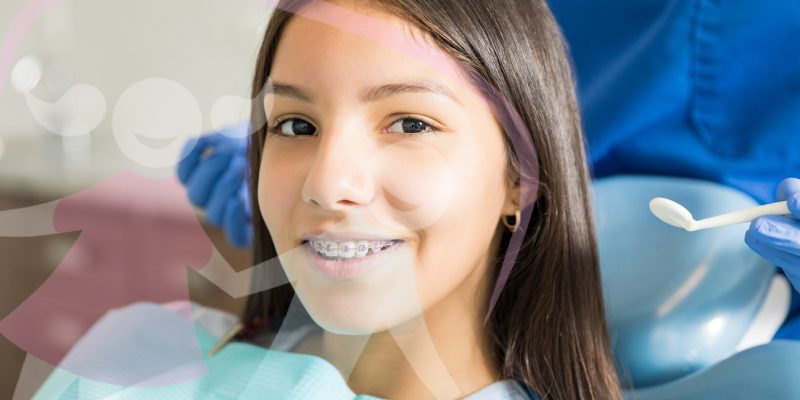
The moment a child flashes a gap-toothed grin, parents may wonder: Is now the right time for orthodontic care? The answer could have a lifelong impact, since early braces do much more than straighten teeth, they lay the groundwork for a healthy, confident future.
Why Early Braces Matter: Setting the Foundation for Dental Health
Starting orthodontic treatment at a young age transforms more than just a smile. By addressing dental issues while the jaw is still developing, experts can guide growth, prevent complications, and make room for emerging teeth. The Canadian Association of Orthodontists recommends that children visit an orthodontist by age seven. At this stage, it is possible to spot and correct issues before they evolve into bigger, costlier problems.
The Role of Early Intervention in Orthodontics
When orthodontists catch misalignments or jaw irregularities early, they can use gentle interventions that harness natural growth. This proactive approach simplifies future treatment and often avoids invasive procedures, like extractions, down the line.
Long-Term Benefits of Addressing Issues Young
Correcting problems in childhood means teeth are more likely to stay healthy and properly aligned for life. Early braces help prevent abnormal wear, reduce the risk of trauma to protruding teeth, and improve speech and eating patterns.
Comparing Early vs. Late Orthodontic Treatment Outcomes
Treating orthodontic concerns early often means shorter treatment times and better overall results. Delaying care until adulthood may require more complex interventions and can leave issues like crowding or bite misalignment to worsen over time.
Orthodontic Needs Across Different Age Groups
Every age group has its own set of needs and motivations when it comes to orthodontics.
Children: Growth Guidance and Preventive Care
For children, orthodontic care focuses on guiding jaw development, correcting habits like thumb sucking, and ensuring there’s space for permanent teeth to erupt properly. Early treatment can even help with minor speech issues by aligning teeth and jaws.
Teens: Style, Comfort, and Treatment Options
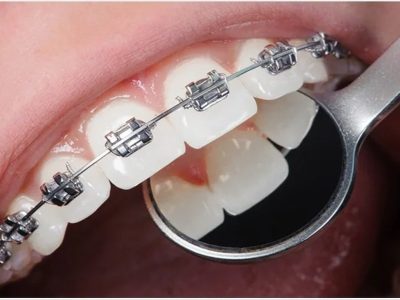
Teenagers often worry about appearances. Fortunately, today’s orthodontic solutions are as stylish as they are functional. Choices now include ceramic brackets and clear aligners, making treatment more discreet while still highly effective.
Adults: Modern Solutions for Aesthetic and Health Goals
It’s never too late to invest in a healthier smile. Adults benefit from a wide variety of modern options, including clear aligners and self-ligating braces. These technologies address both aesthetic desires and long-term dental health.
Common Issues Addressed by Early Braces
What are the real problems early braces can solve?
Correcting Jaw Development and Bite Problems
Misaligned jaws and improper bites can hinder chewing, cause discomfort, and even affect facial symmetry. Early treatment helps shape the jaw’s growth, ensuring a balanced bite and healthy jaw function.
Managing Crowded or Misaligned Teeth
Crowding can occur as adult teeth come in, making cleaning difficult and increasing the risk of cavities. Orthodontists can create space and align teeth before problems multiply.
Behavioral Factors: Thumb Sucking and Speech Challenges
Persistent thumb sucking or tongue thrusting can impede dental development. Early braces, paired with expert guidance, help children break these habits and improve speech clarity.
Treatment Options and Innovations by Age
As orthodontic technology has evolved, so have the choices available for different age groups.
Traditional Metal Braces vs. Ceramic and Clear Aligners
Metal braces remain a reliable option, especially for complex cases. Ceramic braces blend with teeth for a less noticeable look, while clear aligners appeal to those desiring the ultimate discretion.
Customized Approaches for Children, Teens, and Adults
Orthodontic care today is personalized. Children might need space maintainers or partial braces; teens often opt for colored bands or clear solutions; adults appreciate nearly invisible treatments that fit their lifestyles.
Technological Advances Impacting Comfort and Effectiveness
Modern braces are smaller, more comfortable, and work faster than ever. Digital imaging and 3D planning allow for precise, customized treatments that minimize discomfort and maximize efficiency.
Lifestyle Considerations During Treatment
Braces bring changes to daily routines, so understanding what to expect is essential.
Dietary Restrictions and Their Importance
Certain foods, sticky candies, hard nuts, chewy bagels, can damage braces and set back progress. Adhering to dietary guidelines protects both the appliances and the teeth themselves.
Maintaining Oral Hygiene with Braces
Brushing and flossing around wires and brackets require extra care. Specialized tools and consistent routines help keep teeth and gums healthy throughout treatment.
Managing Emergencies and Treatment Compliance
Occasional loose brackets or poking wires may occur, but quick responses and professional guidance keep treatment on track. Patient cooperation is key to achieving the best results.
Long-Term Maintenance: Retention and Beyond
The job isn’t done when the braces come off.
The Importance of Orthodontic Retention
Retainers keep newly aligned teeth in place, especially as jaws and gums stabilize post-treatment.
Preventing Relapse Through Proper Aftercare
Following retainer instructions and attending regular checkups keeps smiles straight. Skipping aftercare can lead to relapses that undo years of progress.
Comparing Retention Strategies by Patient Age
Children and teens may need longer or different types of retention, while adults often benefit from permanent solutions.
Choosing the Right Orthodontic Care Provider
Expertise makes all the difference in orthodontic outcomes.
Specialized Care for Different Age Groups
A quality provider recognizes the differences in children’s, teens’, and adults’ needs, adjusting care and communication accordingly.
Evaluating Treatment Plans and Patient Support
Look for a provider who combines advanced technology with compassionate, individualized attention. This ensures every patient feels understood and supported.
The Value of Personalized Orthodontic Attention
Practices like Clinique Savaris Montreal kids braces are known for tailoring solutions to young patients, helping families make confident, informed decisions about early intervention.
Summary: Making the Case for Early Braces
Balancing aesthetics with health, early braces do more than enhance smiles, they set the stage for lifelong wellness. By intervening at the ideal moment, families empower their children to enjoy confident, healthy futures. Deciding early means fewer complications, easier maintenance, and a smile that lasts a lifetime.



Comments