
 By
By 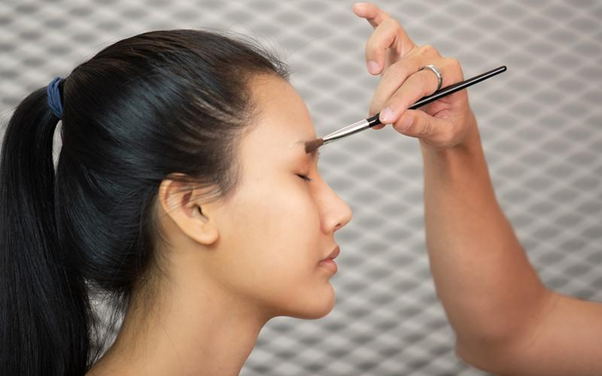
Eyebrow tinting has become a regular part of grooming routines, offering a low-maintenance way to define brows without daily filling or drawing. Yet, for individuals with sensitive skin, the question of safety often arises. The process involves applying a semi-permanent dye to the eyebrow hairs and sometimes to the surrounding skin. While many salons offering eyebrow tinting in Singapore follow strict hygiene and quality standards, not every product or method suits all skin types. Understanding how tinting works and what risks exist for sensitive skin can help consumers make informed decisions before booking an appointment.
How Eyebrow Tinting Works
Eyebrow tinting uses semi-permanent vegetable or synthetic dyes designed to darken the brows for two to four weeks. The dye adheres to the brow hairs and, in some cases, tints the skin beneath to enhance fullness. The process typically begins with cleansing the brow area, followed by the careful application of the tint. The dye is wiped off after a few minutes to reveal more defined brows. Shaping, in salons that combine brow shaping with tinting, is usually done through threading or waxing before the dye is applied, ensuring clean outlines and even colouring.
The issue for those with sensitive skin lies in the chemical composition of the tint. Ingredients such as para-phenylenediamine (PPD), ammonia, or preservatives can cause reactions like redness, itching, or mild swelling. Even natural-based tints may contain compounds that trigger irritation if the client has existing skin sensitivities or eczema.
Common Reactions and How to Identify Them
Skin reactions from eyebrow tinting often appear within 24 hours of treatment. Symptoms may include redness around the brow line, dryness, flaking, or a mild burning sensation. The skin, in rare cases, may develop small blisters or hives, particularly if the dye contains harsh colouring agents. The humid environment can also worsen discomfort by trapping moisture and sweat around the brow area, extending recovery time.
Clients with a history of allergic reactions to hair dye or skincare products should take extra precautions. Performing a patch test at least 48 hours before a tinting session is an essential step to determine if the chosen dye is compatible with the skin. This test involves applying a small amount of tint behind the ear or on the inner forearm to monitor for reactions before the full procedure.
What Salons Are Doing to Minimise Risks
Many professional beauty salons offering eyebrow tinting have adapted their services to cater to clients with delicate or reactive skin. Instead of traditional PPD-based dyes, they use gentler, ammonia-free or plant-based alternatives. Some salons incorporate organic tints derived from henna or vegetable pigments, which offer a milder option, although results may fade faster.
In addition, reputable salons maintain strict hygiene practices, using disposable applicators, gloves, and sterilised tools during both tinting and brow shaping in Singapore. Skin preparation also matters: pre-tint cleansers free from alcohol or fragrance help reduce irritation, while post-tint soothing gels can calm the skin and reduce redness. Clear communication with the aesthetician about any skin sensitivities or allergies is key to ensuring a safer experience.
Tips for Sensitive Skin Aftercare
Individuals with sensitive skin should avoid using exfoliating products or retinol-based creams near the brow area for at least 48 hours after eyebrow tinting. Harsh cleansers, saunas, and direct sunlight can increase irritation or cause premature fading of the tint. Applying a light, fragrance-free moisturiser or aloe-based gel can help maintain hydration and comfort. Once irritation persists beyond a few days, consulting a dermatologist is advised to rule out allergic dermatitis.
Consistency in aftercare can also extend the tint’s longevity, reducing the need for frequent salon visits. Gentle cleansing and minimal brow touching prevent pigment breakdown while maintaining healthy skin around the area.
Final Thoughts
Eyebrow tinting can be suitable for sensitive skin, but it depends largely on the dye formulation, salon practices, and individual skin reactions. Many local salons have begun offering hypoallergenic tinting products to meet growing consumer demand for safer beauty solutions. Patch testing, open communication with the aesthetician, and proper aftercare remain the best defences against unwanted irritation for anyone considering eyebrow tinting and brow shaping in Singapore.
Contact Carragheen to give your brows a refined, low-maintenance finish without the risk.











Comments