
 By
By 
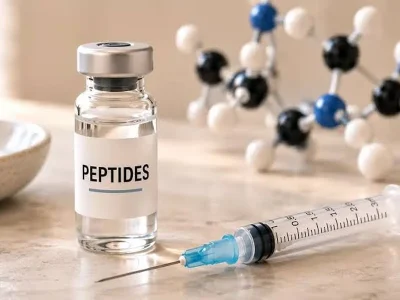
In the human body, peptides play many important roles. They can act as hormones, growth factors, neurotransmitters, ion channel ligands, or agents that help fight infections. Research peptides are peptides used in scientific studies to gain knowledge and observe how they work, especially in the hope of creating new medicines in the future. Interest in peptides has grown recently, especially in the area of drug research and development. These powerful and specific signaling molecules attach to certain cell surface receptors and cause different effects inside the cells. They have shown to be both effective and generally safe in medical studies. Most people in clinical trials have tolerated them well. Because their actions are so targeted and effective, they are seen as a strong area for medical research. This growing interest and demand for research peptides is helping drive progress in the development of future medicines and treatments.
Research Peptides vs. Medicines
The main difference between approved medicines and research peptides is their intended use. Research peptides are made only for scientific and research studies, mostly in laboratory settings. These studies are often done “in vitro,” which means outside the body, usually in glass or plastic containers. Research peptides are not approved medicines and cannot be prescribed by doctors to treat diseases.
Many types of peptide treatments have already been tested in clinical trials. Scientists around the world use research peptides to go beyond the usual designs and explore new versions of these molecules that could later become approved medicines.
So far, about 60 peptide-based medicines have been approved and are now available on the market. These drugs went through the required testing and approval process by authorities like the U.S. Food and Drug Administration (FDA). Examples include Lupron™, used to treat prostate cancer, and Victoza™, used to treat type 2 diabetes. These drugs have had strong sales and positive results, but they are not considered research peptides.
Even if research peptides show great results in early studies, they still have to pass strict clinical testing and get approval from the FDA before they can be used as real treatments. Until then, they are only meant for scientific study. However, their role in helping scientists discover new, effective treatments is very important.
Research Peptides as a Foundation for Future Medicines
Because peptides show strong promise for medical use, more research, testing, and lab work are needed to find new drug options for today and the future. This is why demand for research peptides keeps rising—to help push progress forward in these areas.
In clinical studies, research peptides have been found to be safe and well-tolerated by participants. They are also known for being targeted, effective, and having predictable results in the body. Because of this, they are seen as a major opportunity for future treatments.
The growing number of people with obesity, type 2 diabetes, and cancer has made these health problems key areas of peptide research. In North America and elsewhere, these conditions are becoming more common, and scientists are looking for new alternatives to older treatments like chemotherapy. Research into peptide-based medicines may offer new and better solutions.
Peptide research is also expanding into other areas, such as infectious diseases, inflammation, and rare illnesses. It may also help in areas like medical testing and vaccine development. In all these cases, research peptides are the tools scientists use to run tests and learn more. Important research is being done to find out how peptides could help treat serious conditions in the future. Their use in labs today is an important step toward creating effective new medicines.
Warning
THE PRODUCTS OFFERED BY THE SELLER ARE INTENDED FOR SCIENTIFIC AND RESEARCH PURPOSES ONLY. These products include chemical substances that must not be used as drugs, medicines, active ingredients, medical devices, cosmetic products, ingredients in cosmetic products, food, or dietary supplements. They are not to be used in any way on humans or animals.









Comments